Embroidery means more than just decorating fabric; it’s an intricate art form that intertwines personal expression and cultural narratives. You’ll discover how various stitches create detailed designs, conveying stories throughout history, as seen in artifacts like the Bayeux Tapestry. This craft serves functional and aesthetic purposes, allowing individuals to connect with their heritage while embracing modern DIY culture. You’ll find an exciting world waiting for those enthusiastic to learn more about its techniques and significance.
Key Takeaways
- Embroidery is an art form that decorates fabric using intricate needlework and various stitches to create detailed designs.
- It serves both aesthetic and functional purposes, beautifying garments and home decor while conveying personal and social narratives.
- Historically, embroidery has significant cultural importance, preserving traditions and documenting community histories, especially among marginalized groups.
- The craft includes both traditional hand techniques and modern machine innovations, offering diverse styles and stitches for creative expression.
- Modern trends emphasize DIY culture and community engagement, fostering collaboration and innovation among embroidery enthusiasts.
Definition of Embroidery
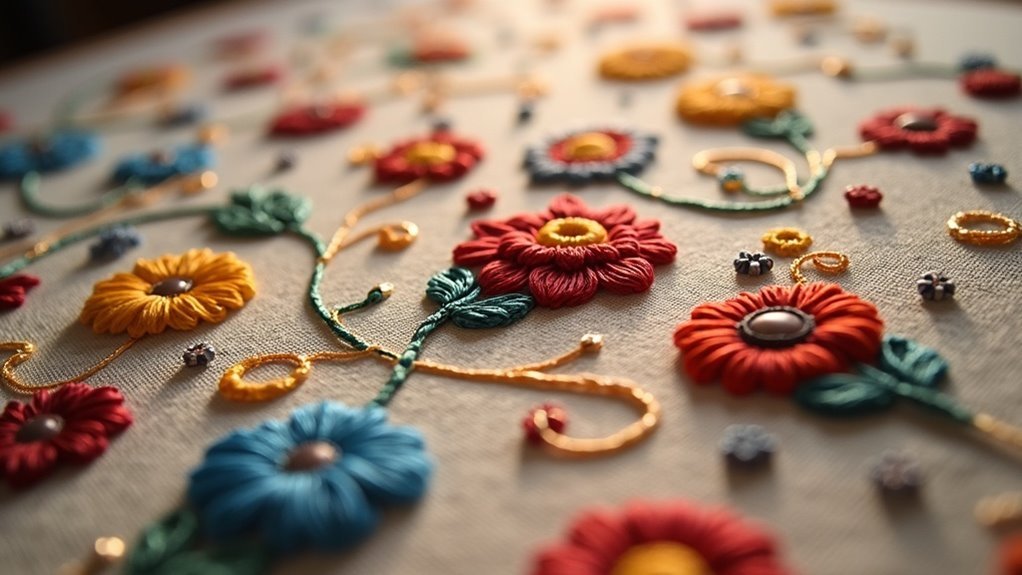
Embroidery is an enchanting art form that involves decorating fabric with intricate needlework, utilizing threads or yarn to create detailed designs. This traditional craft employs various stitches, such as chain, satin, and cross stitch, to enhance texture and visual appeal.
You’ll find that embroidery not only beautifies garments and home decor but also serves functional purposes. Materials often include cotton, silk, and embellishments like beads or sequins, adding depth to your creations.
Understanding embroidery’s definition helps you appreciate its role in artistic expression, its cultural significance, and its ability to convey personal and social narratives through carefully crafted designs.
Historical Significance
The rich history of embroidery reveals its profound significance across cultures and time periods. The earliest surviving embroidered cloth from Egypt showcases ancient techniques, while traditional embroidery, like Opus Anglicanum, highlights medieval craftsmanship in ecclesiastical contexts.
The Bayeux Tapestry, created in 1076, serves as a crucial historical document, illustrating the Norman Conquest. In the 18th century, floral embroidery emerged as a symbol of the rising merchant class, reflecting social status in private homes.
Throughout history, the embroidery industry hasn’t only expressed artistic identity but also recorded cultural narratives, particularly for marginalized communities where literacy was scarce.
Types of Embroidery
When exploring the types of embroidery, you’ll encounter a spectrum that includes both traditional hand techniques and modern machine innovations.
Each method offers unique characteristics, from the intricate artistry of crewel embroidery to the precision of machine-stitched designs.
Additionally, specialty styles such as Fish-Scale embroidery reveal the rich diversity within this textile art form, highlighting its evolving nature.
Traditional Hand Techniques
Hand embroidery techniques reflect a rich tradition of artistry, encompassing various methods that each bring unique textures and visual effects to fabric. You’ll discover that traditional embroidery techniques like chain stitch, running stitch, and satin stitch allow for intricate floral designs, showcasing the materials used, such as wool in crewel embroidery. Cross-stitching and shadow work add precision and depth, respectively, enhancing garments and textiles.
| Technique | Description | Visual Effect |
|---|---|---|
| Chain Stitch | Interlocking loops on fabric | Textured lines |
| Satin Stitch | Flat, smooth stitches covering fabric | Lustrous surface |
| Cross Stitch | X-shaped stitches on counted threads | Precise patterns |
| Surface Embroidery | Decorative stitches atop fabric | Embellished designs |
| Shadow Work | Herringbone stitch on sheer fabric | Translucent depth |
Machine Embroidery Innovations
Innovations in machine embroidery have revolutionized the textile industry, transforming how intricate designs are created and produced. By utilizing computerized systems, you can achieve precision and efficiency unmatched by traditional embroidery methods.
Key advancements include:
- The early development of the schiffli embroidery machine for intricate patterns.
- The use of durable materials, like rayon and polyester, enhancing design vibrancy.
- Automation that greatly increases production speed and reduces costs.
- Global hubs, such as St. Gallen and Plauen, fostering high-quality craftsmanship.
Today, machine embroidery continues to redefine the artistry of textiles, making beautiful designs accessible to all.
Specialty Styles Overview
Machine embroidery has paved the way for various specialty styles, each offering unique techniques and aesthetic qualities.
Ribbon embroidery stands out for its three-dimensional floral patterns, adding texture and vibrancy.
Surface embroidery employs stitches like satin and chain to enhance fabric appeal, while traditional embroidery techniques remain cherished for their cultural significance.
Crewel and cross-stitching showcase intricate designs, using wool and counted threads for precision.
Shadow Work creates ethereal effects on sheer fabrics, and Fish-Scale embroidery captivates with metallic threads mimicking nature.
Together, these specialty styles enrich the embroidery landscape, fostering creativity and service through artful expression.
Techniques and Processes
When you explore the world of embroidery, you’ll encounter a rich variety of stitches, each contributing unique patterns and textures to your work.
Understanding modern techniques, which often blend traditional hand methods with advanced machine stitching, can enhance your creative process.
Common Embroidery Stitches
Embroidery, as a versatile art form, employs various stitches that serve distinct purposes and enhance the visual appeal of the fabric.
Understanding these common stitches can elevate your projects greatly:
- Running Stitch: A foundational stitch that outlines designs by passing the needle in and out of the fabric.
- Satin Stitch: Fills shapes with smooth, flat coverage, creating a polished look.
- Buttonhole Stitch: Also known as the blanket stitch, it reinforces edges while providing a decorative finish.
- French Knots: Adds texture and dimension by wrapping thread around the needle before pulling it through the fabric.
Modern Techniques Overview
Building on the foundation of common embroidery stitches, modern techniques have expanded the possibilities of this art form considerably.
You’ll find that modern embroidery techniques blend traditional hand-stitching methods with advanced machine embroidery, producing intricate designs with efficiency.
Free-motion embroidery allows you to manually guide fabric, creating textured images, while digital embroidery has transformed the craft with precise, digitized patterns.
Ribbon embroidery enhances floral motifs, adding dimension and visual appeal.
In addition, contemporary trends in embroidery incorporate diverse materials like beads and sequins, resulting in striking textile art pieces that serve not only aesthetic purposes but also the creative needs of your community.
Cultural Importance
Artistry in embroidery transcends mere decoration; it embodies cultural significance and serves as a powerful medium for storytelling.
Embroidery is more than decoration; it weaves together cultural narratives and profound significance.
You can appreciate its impact through these key aspects:
- Symbol of Status: Historically, intricate embroidery indicated wealth and social rank.
- Cultural Heritage: Stitching preserves traditions, allowing communities to narrate their histories.
- Self-Expression: For many women, embroidery is a tool for empowerment, articulating personal and cultural identities.
- Historical Documents: Pieces like the Bayeux Tapestry reveal societal values and significant events, merging art with history.
Through these lenses, you’ll understand embroidery as an essential link to cultural identity and heritage.
Contemporary Trends
The resurgence of embroidery in contemporary culture reflects a dynamic interplay between tradition and modernity.
Contemporary trends showcase hand embroidery infused with vibrant colors and playful designs, merging traditional techniques with innovative artistic expressions.
Social media has propelled this craft into the limelight, inspiring younger generations to embrace embroidery as a form of self-expression and relaxation, countering the fast-paced digital world.
The rise of DIY culture further solidifies its popularity, allowing individuals to engage creatively.
Designers now frequently incorporate traditional methods into fashion and home decor, producing unique pieces that honor heritage while appealing to modern aesthetics, enriching lives through craftsmanship.
Tools and Equipment
Embroidery relies heavily on a variety of essential tools and equipment that facilitate precision and creativity in the craft. Understanding these items enhances your capability to produce beautiful work.
Embroidery thrives on essential tools that enhance precision and creativity, enabling beautiful and intricate designs.
Here are four key tools:
- Sewing needles: Available in various sizes and types, each needle serves different techniques and fabrics.
- Embroidery hoops: These keep your fabric taut, ensuring even tension and preventing distortion.
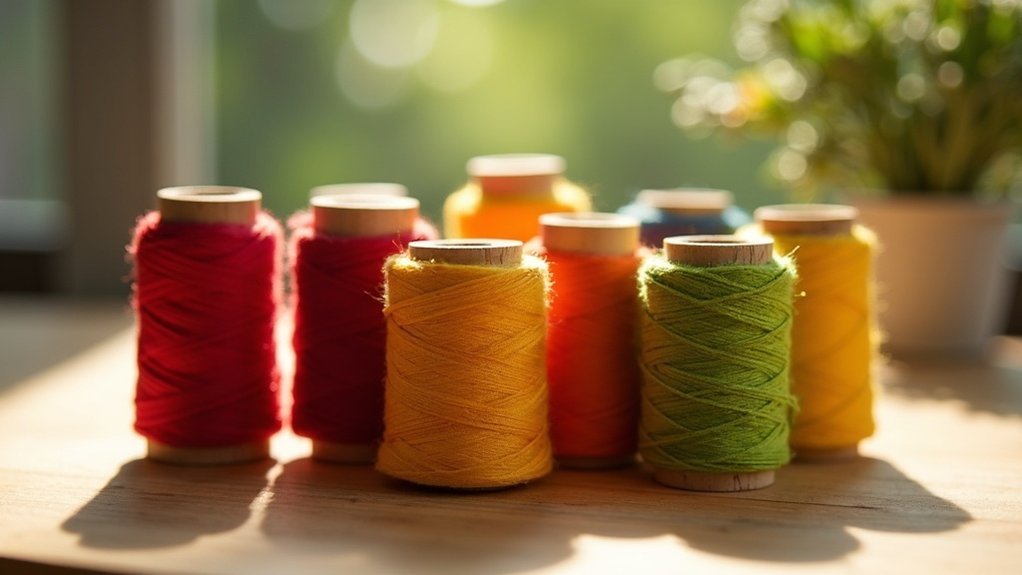
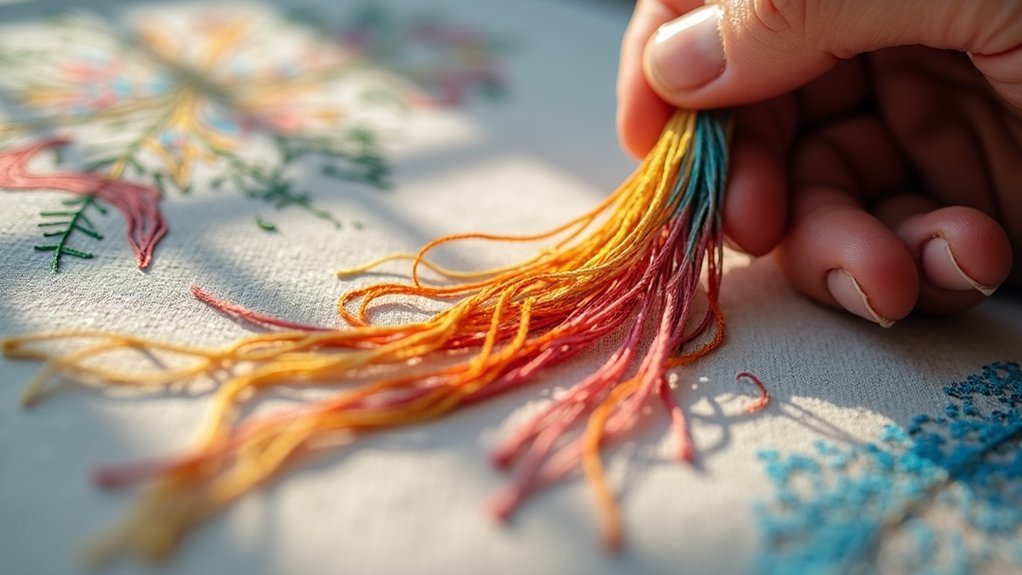
- Threads: Choose from cotton, silk, or modern options like rayon for diverse textures.
- Additional tools: Scissors, fabric markers, and tracing paper aid in achieving precision and neatness in your projects.
Educational Resources
While exploring the world of embroidery, you’ll discover a wealth of educational resources designed to enhance your skills and deepen your understanding of this intricate craft.
Significantly, “Needlework School” by the Embroiderers Guild provides extensive guides on various techniques and styles of traditional embroidery.
Historical insights from authors like Elizabeth Wayland Barber reveal the evolution of these crafts.
Online platforms offer tutorials and foster community engagement, making learning accessible.
Additionally, glossaries of embroidery terms in various publications help beginners grasp the language of this art.
Consequently, these resources collectively enrich your embroidery journey, allowing you to serve others through your creations.