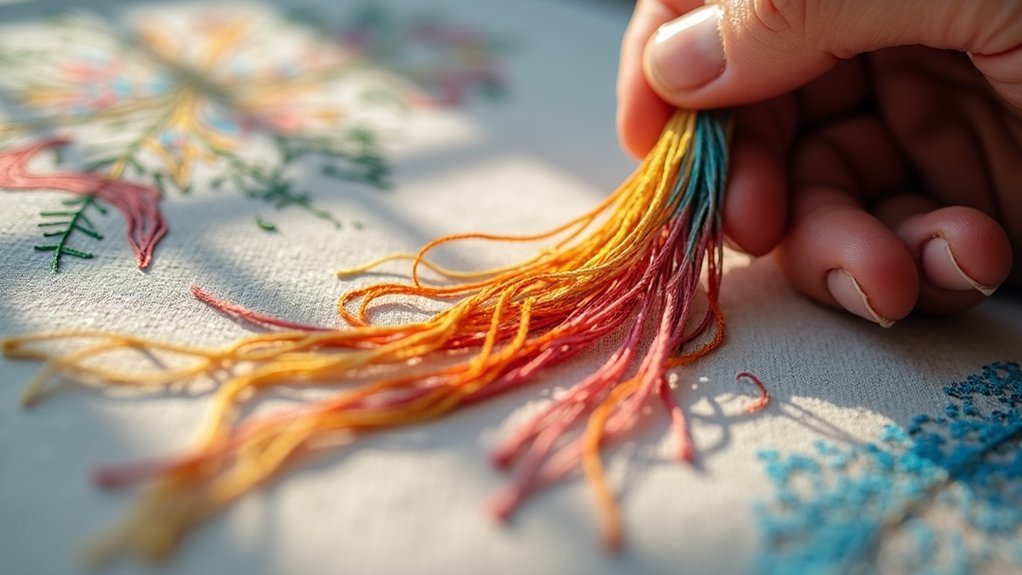
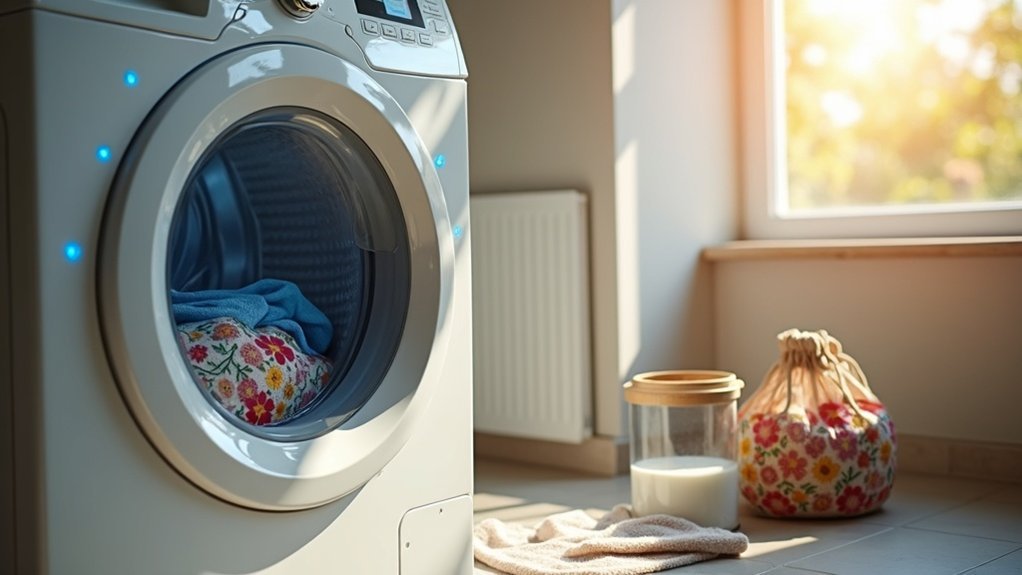
To wash machine embroidery safely, turn your items inside out to protect the threads. Use cold water on a gentle cycle with a mild detergent. Wash embroidered pieces separately to prevent color bleeding. Remove them promptly after the wash to avoid creasing. Air dry flat instead of using a dryer for the best results. These simple steps will help maintain the integrity of your embroidery, and there’s more to discover about caring for your pieces effectively.
Key Takeaways
- Turn embroidered items inside out before washing to protect the threads from damage.
- Use a mild, pH-neutral detergent and cold water on a gentle cycle for best results.
- Wash embroidered pieces separately to prevent color bleeding and maintain fabric integrity.
- Remove items from the washer immediately to avoid wrinkles and creasing.
- Air dry flat on a clean towel instead of using a dryer to preserve the embroidery.
Essential Guide to Cleaning Machine Embroidery
When you want to keep your machine embroidery looking fresh and vibrant, it’s essential to follow specific cleaning steps.
Start by turning your embroidered items inside out to protect the embroidery threads. Use a mild detergent and set your washing machine to a delicate cycle with cold water.
Always wash embroidered pieces separately to prevent color bleeding, especially with items in reds and browns.
Once the cycle’s complete, remove them immediately to avoid creasing. For best results, air dry flat instead of using a dryer.
If you need to iron, do so on a low heat setting from the reverse side.
Step-by-Step Washing Methods for Machine Embroidery
To guarantee your machine embroidery stays in top condition, follow these step-by-step washing methods.
- Turn embroidered items inside out to protect the delicate threads.
- Use cold water and a gentle cycle with mild liquid detergent, avoiding harsh chemicals.
- Wash embroidered pieces separately to maintain their integrity.
After the wash, promptly remove the items to prevent wrinkles and soaking.
Instead of tossing them in the dryer, air dry your embroidery by laying it flat on a clean cloth.
This careful approach will make certain your embroidery remains vibrant and intact for years to come.
Preventing Color Bleeding and Fabric Distortion
Even after washing your embroidery carefully, it’s important to take additional steps to prevent color bleeding and fabric distortion.
Always wash embroidered items separately and conduct a colorfastness test on threads. Use a mild, pH-neutral detergent designed for delicate fabrics to minimize color transfer.
Wash embroidered items separately and test threads for colorfastness using a gentle, pH-neutral detergent to prevent color transfer.
Turn your embroidered garments inside out before placing them in the washing machine to protect the design. Select a gentle cycle with cold water to further reduce the risk of fabric distortion.
Avoid washing your embroidered items with metal objects or rough fabrics that could snag and damage the embroidery, ensuring your piece remains pristine.
Drying and Ironing Techniques to Preserve Texture
To preserve the texture of your embroidered items, start by air drying them right after washing; lay them flat on a clean towel to prevent any distortion.
If you choose to use a tumble dryer, opt for the lowest heat setting and take them out while they’re still slightly damp.
When ironing, always work from the reverse side with a low heat setting and a pressing cloth to protect the delicate threads.
Air Drying Recommendations
While you might be tempted to toss your embroidered items in the dryer, air drying is crucial for preserving the fabric and the intricate designs.
To air dry properly, follow these steps:
- Lay flat on a clean, dry towel
- Roll the towel gently to absorb excess moisture
- Avoid direct sunlight to prevent fading
This method guarantees the embroidery remains intact and the fabric retains its shape.
Ironing Best Practices
When you’re ready to iron your embroidered items, it’s essential to take specific precautions to maintain their beauty and texture.
Always iron inside out to protect the embroidery and preserve the design. Set your iron to a low heat and test it on a scrap piece first to guarantee compatibility with the thread type.
Use a pressing cloth between the iron and embroidery to prevent direct heat exposure. Avoid steam, as moisture can cause shrinkage or damage.
Finally, employ a gentle pressing motion instead of sliding the iron, which helps avoid pulling or distorting the fabric.
Specialized Cleaning for Different Fabrics
As you care for your embroidered pieces, it’s crucial to recognize that different fabrics require specialized cleaning methods to preserve their quality.
- For cotton, hand wash in lukewarm water with a mild detergent.
- Delicate fabrics like rayon need cold water and gentle detergent to avoid damage.
- Synthetic blends should also be hand washed in cold water on the gentlest cycle, then air dried to prevent color transfer.
Always perform a color fastness test before washing to verify the threads won’t bleed.
Spot Cleaning Stubborn Stains Safely
Stubborn stains on embroidered items can be frustrating, but with the right approach, you can tackle them effectively without risking damage. Start by dabbing the stain with a clean cloth and a small amount of mild detergent. Always test solutions on a hidden area first to protect embroidery integrity. For oil-based stains, use white vinegar or a baking soda paste, letting it sit briefly before dabbing. Rinse protein stains with warm water before applying detergent. Finally, remember to air dry the treated area to avoid setting any remaining stains.
| Stain Type | Cleaning Method |
|---|---|
| Oil-Based | White vinegar or baking soda paste |
| Protein | Warm water rinse, then detergent |
| General Stains | Mild detergent on clean cloth |
| Final Treatment | Air dry |
Storing and Maintaining Cleaned Embroidery
After successfully spot cleaning your embroidered items, proper storage is key to maintaining their beauty and longevity.
- Keep items in a cool, dry place (15–25°C) with humidity below 50% to prevent moisture damage and fading.
- Use acid-free tissue paper to buffer smaller pieces and roll larger items with tissue to avoid creasing.
- Inspect stored embroidery regularly for pests, moisture, or fabric changes to guarantee preservation.
Avoid plastic containers, as they trap moisture; instead, choose acid-free archival boxes or lined wooden drawers for ideal storage.
Rotate displayed items to prevent uneven fading from sunlight exposure.
Key Takeaways for Embroidery Longevity
To guarantee your embroidered items remain vibrant and intact, it’s essential to follow a few key practices.
Always turn your items inside out before washing to reduce friction. Use cold water and a mild liquid detergent, and avoid harsh chemicals or bleach to protect the embroidery.
Turn items inside out, wash in cold water with mild detergent, and avoid harsh chemicals to protect your embroidery.
Select the delicate cycle on your washing machine to minimize wear and tear. After washing, immediately air dry your items; tumble drying can distort the embroidery.
Finally, regularly inspect for loose threads or signs of wear before washing, as this will help prevent further damage and maintain the beauty of your embroidery.