To identify Suzani embroidery characteristics, look for vibrant colors and traditional motifs like pomegranates and sun medallions, which carry deep symbolism. Examine the fabric, ensuring it’s made from natural fibers, and note the unique craftsmanship evidenced by slight stitching irregularities. Common techniques include chain, satin, and buttonhole stitches that add texture and depth. Engaging with sellers about the piece’s history can also help confirm authenticity. There’s so much more to uncover about this rich craft.
Key Takeaways
- Look for traditional motifs like pomegranates, sun medallions, and floral designs that carry cultural significance.
- Ensure the fabric is made from natural fibers, such as cotton or silk, avoiding synthetics.
- Examine for unique stitching techniques like chain stitch, satin stitch, and buttonhole stitch that enhance the design’s depth.
- Check for slight irregularities in stitching and signs of wear, especially in antique pieces, indicating authenticity.
- Engage with sellers to learn about the piece’s history and craftsmanship, confirming its authenticity as a suzani.
Understanding the Essence of Suzani Embroidery
When you explore Suzani embroidery, you uncover a rich tapestry of cultural heritage and artistic expression. This traditional craft, meaning “needle” in Persian, showcases vibrant colors and intricate designs.
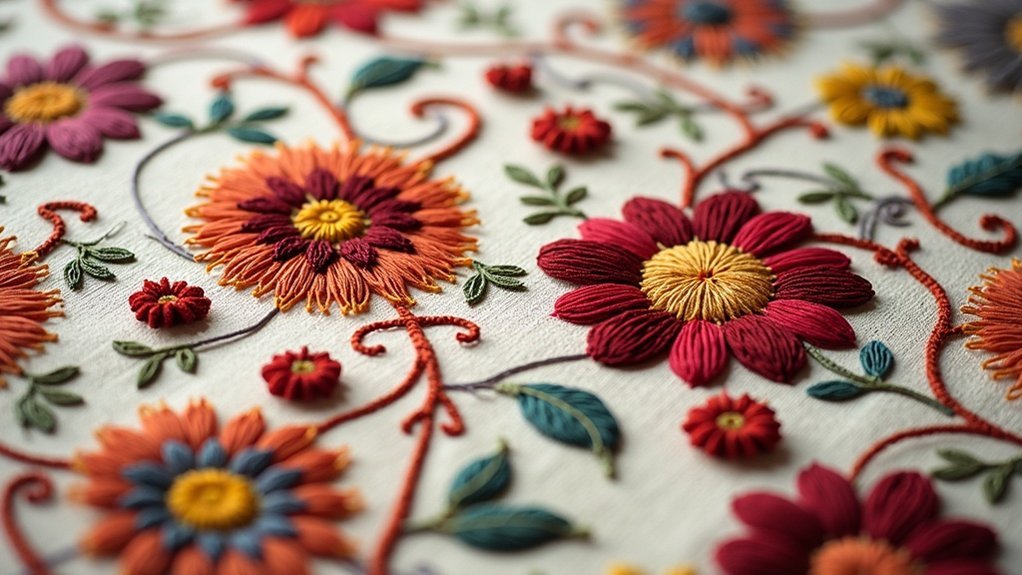
Common motifs include pomegranates, sun medallions, and protective chili peppers, each brimming with cultural significance. Crafted from quality natural fabrics like cotton or silk, authentic suzanis often feature slight irregularities, a reflection of their handmade origin.
Regional techniques, like the chain stitch, add unique character. More than decorative art, these textiles embody spiritual symbolism, connecting the embroiderer to their ancestors and serving as a celebration of life, fertility, and protection.
Key Motifs and Their Symbolism
Suzani embroidery is rich in symbolism, with each motif serving as a narrative thread woven into the fabric of cultural identity.
Common motifs include sun medallions, symbolizing life-giving energy, and pomegranates, representing fertility and family unity. Chili peppers act as protective accents against the evil eye, reflecting a deep-seated belief in safeguarding loved ones.
Common motifs like sun medallions and pomegranates weave stories of energy, fertility, and protection in Suzani embroidery.
The firebird symbolizes happiness, while floral patterns embrace femininity and youth. Ancient symbols like the sun and moon enrich these designs, showcasing a tapestry of mythological significance.
Each motif embodies centuries-old beliefs, highlighting the artisans’ dedication to preserving their cultural heritage through intricate embroidery.
Materials Used in Suzani Production
Crafting suzani embroidery involves a careful selection of materials that contribute to both its beauty and durability. You’ll find that traditional suzanis use a cotton or silk fabric base, providing strength for intricate designs.
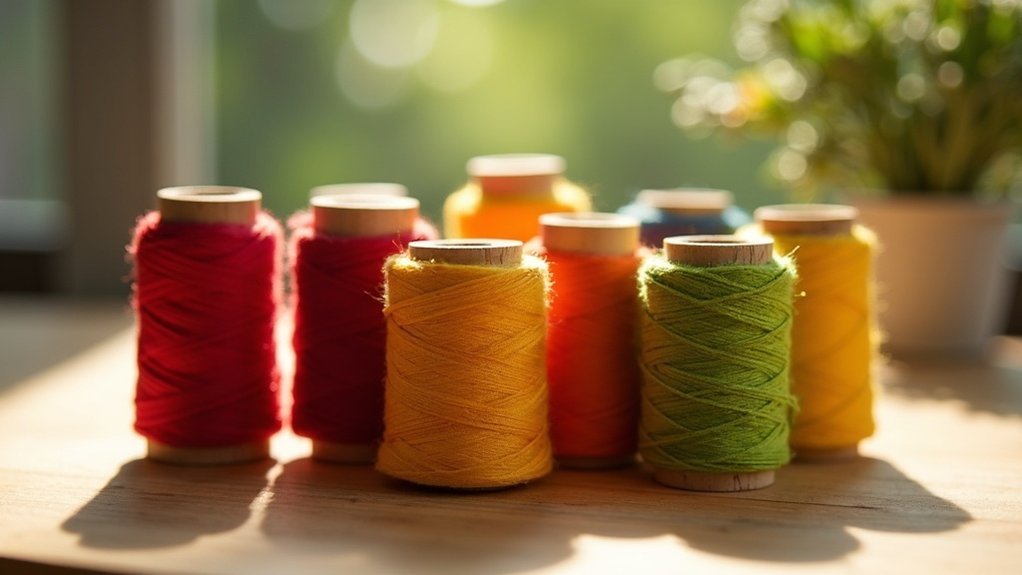
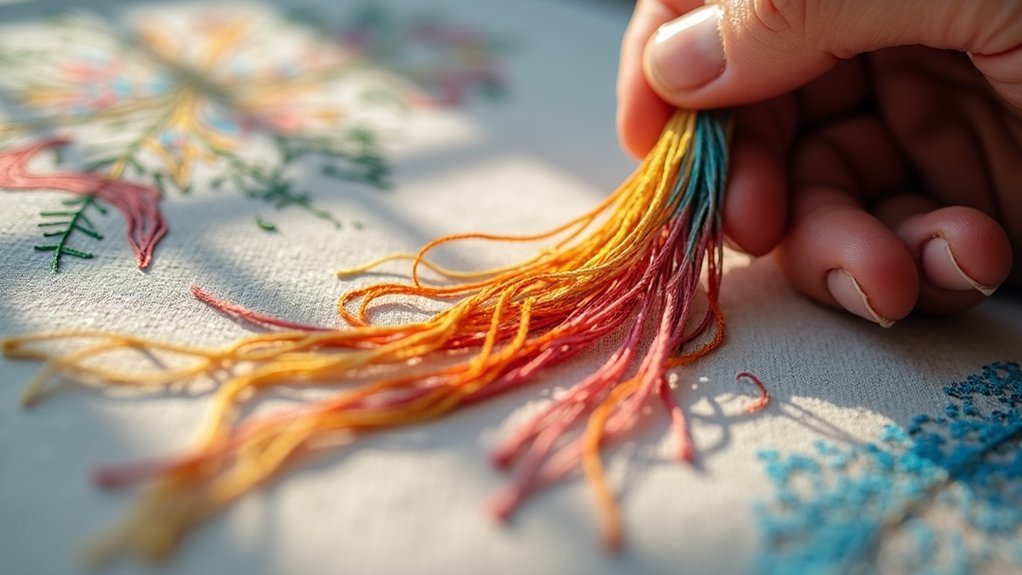
Vibrant silk or cotton threads create texture and depth in the artwork. Artisans often utilize natural dyes from sources like indigo and pomegranate skins, ensuring rich hues that stand out.
Each handcrafted piece showcases slight variations in stitching, celebrating individuality. Be cautious of commercially produced suzanis, as they may employ synthetic threads and dyes, resulting in a less vibrant and unique appearance compared to genuine handmade versions.
Common Stitching Techniques
Although you may come across various embroidery styles, the stitching techniques that define Suzani work are particularly remarkable for their complexity and artistry.
The common stitches used include:
- Chain stitch – creating flowing lines that enhance the intricate designs.
- Satin stitch – providing a smooth finish and vibrant texture.
- Buttonhole stitch – adding dimension to the motifs.
Artisans often employ couching techniques, using silk or cotton thread to add depth.
Each handcrafted piece showcases slight irregularities, highlighting unique craftsmanship.
These techniques collectively contribute to the stunning beauty and rich narratives woven into every Suzani textile.
Color Palettes and Their Meanings
Color palettes in Suzani embroidery aren’t just visually striking; they’re imbued with deep meanings that reflect cultural values and beliefs.
The vibrant colors, derived from natural dyes, convey symbolic meanings—red symbolizes life, blue represents the sky, and yellow denotes joy. Deep oranges and rich purples echo Central Asian aesthetics and their bond with nature.
Each hue has significance; green signifies fertility, while black offers protection.
Regional variations, like the muted tones of Nurata versus the bold contrasts of Bukhara, reveal diverse artistic expressions.
Understanding these color palettes enriches your appreciation of Suzani’s cultural narrative and craftsmanship.
Identifying Authentic Suzani Textiles
When you set out to identify authentic Suzani textiles, recognizing the unique features that distinguish genuine pieces from mass-produced imitations is crucial.
Focus on these key characteristics:
- Traditional motifs: Look for distinctive designs like sun medallions, pomegranates, and chili peppers, each rich in cultural significance.
- High-quality materials: Verify the fabric is made from natural fibers like cotton or silk, avoiding synthetic options.
- Signs of age: Examine antique suzanis for slight irregularities in stitching and signs of wear, which enhance their value and authenticity.
Engaging with sellers about the piece’s history can also reveal its true significance.
Regional Variations in Suzani Designs
When you explore Suzani designs, you’ll notice distinct regional patterns and color schemes that reflect their unique cultural influences.
For instance, Bukhara’s intricate tambour stitching contrasts sharply with the simpler, bolder designs of Samarkand.
Each region’s techniques not only showcase local artistry but also tell stories woven into the fabric of their heritage.
Unique Regional Patterns
Suzani embroidery showcases a rich tapestry of regional variations, each with its distinct characteristics that reflect the cultural heritage of its origin.
Here are some unique patterns worth noting:
- Bukhara suzani: Intricate tambour stitching with detailed floral motifs and vibrant, symmetrical designs.
- Nurata suzani: Bright floral arrangements featuring central star motifs, exuding a whimsical and lively aesthetic.
- Shakhrisabz suzani: Distinctive chain stitches on colored backgrounds, emphasizing geometric shapes reminiscent of carpet designs.
These unique regional patterns not only celebrate artistic expression but also embody the history and traditions of the communities that create them.
Color Schemes and Techniques
While exploring the diverse world of Suzani embroidery, you’ll discover that color schemes and techniques vary considerably across different regions, each offering a unique visual experience.
Bukhara’s rich reds and blues showcase intricate details through tambour stitching, while Nurata dazzles with bright floral arrangements against muted backgrounds, creating harmony.
In Shakhrisabz, chain stitch on bold colors evokes a carpet-like effect, contrasting beautifully. Samarkand opts for larger patterns on vibrant fabrics, emphasizing bold motifs.
Finally, Urgut employs the “Bosma” stitch, weaving together a variety of colors into dense floral and geometric designs, highlighting the intricate craftsmanship of this traditional art.
Cultural Influences on Designs
Artistry in Suzani embroidery reflects a rich tapestry of cultural influences that shape regional designs. Each Central Asian region showcases unique motifs and techniques, enhancing the beauty of folk art.
Consider these key variations:
- Nurata: Bright floral arrangements symbolize hospitality.
- Bukhara: Intricate tambour stitching reveals high craftsmanship and detail.
- Shakhrisabz: Chain stitch on colored backgrounds mimics carpet texture.
These distinctive styles not only demonstrate local artistry but also convey deeper meanings, like the botah motif representing the tree of life.
Such diversity in designs enriches the cultural narrative behind each Suzani piece, inviting you to appreciate their stories.
Cultural Significance and Contemporary Relevance
When you explore the cultural significance of suzani embroidery, you’ll find it’s more than just decorative art; it’s an essential link to Uzbek heritage.
As contemporary artisans adapt traditional motifs to modern contexts, they not only preserve this artisanal craft but also breathe new life into its symbolism.
This revival highlights how suzani remains relevant today, connecting past and present through its rich narrative of identity and creativity.
Artisanal Heritage Preservation
Suzani embroidery not only reflects the rich cultural identity of Central Asia but also plays an essential role in the preservation of artisanal heritage.
By engaging with this craft, you actively participate in safeguarding its legacy. Here are three ways you can contribute:
- Support Local Artisans: Purchase suzani directly from artisans to guarantee their skills are valued and passed down.
- Participate in Workshops: Immerse yourself in the craft, learning about its history and significance while fostering community connections.
- Advocate for Cultural Tours: Promote experiences that highlight the stories behind suzani, enhancing appreciation for this beautiful form of preservation.
Modern Adaptations and Trends
As interest in cultural heritage grows, modern adaptations of suzani embroidery are emerging as a vibrant fusion of tradition and contemporary design.
Artisans creatively apply traditional designs to contemporary items like fashion accessories and home decor, maintaining cultural significance while appealing to modern tastes.
This revival also reflects a renewed appreciation for the silk industry and traditional crafting techniques.
Workshops in regions like Bukhara provide immersive experiences, connecting you with local artisans.
The blend of innovative designs with classic motifs showcases the evolving identity of Uzbek artistry, making suzani not just a craft, but a conversation between past and present.
Symbolism in Contemporary Context
While exploring the vibrant world of contemporary Suzani embroidery, you’ll discover that its symbolism resonates deeply with both cultural identity and modern aesthetics.
This craft not only preserves tradition but also adapts to current trends. Here are three key aspects:
- Motifs: Pomegranates and sun medallions remain powerful symbols of fertility and cosmic protection.
- Cultural Significance: Contemporary artisans highlight the historical importance of these textiles, valuing their artistic heritage.
- Community Engagement: The revival of Suzani as a sustainable craft fosters collaboration, ensuring its relevance in today’s global market while serving others through shared cultural appreciation.