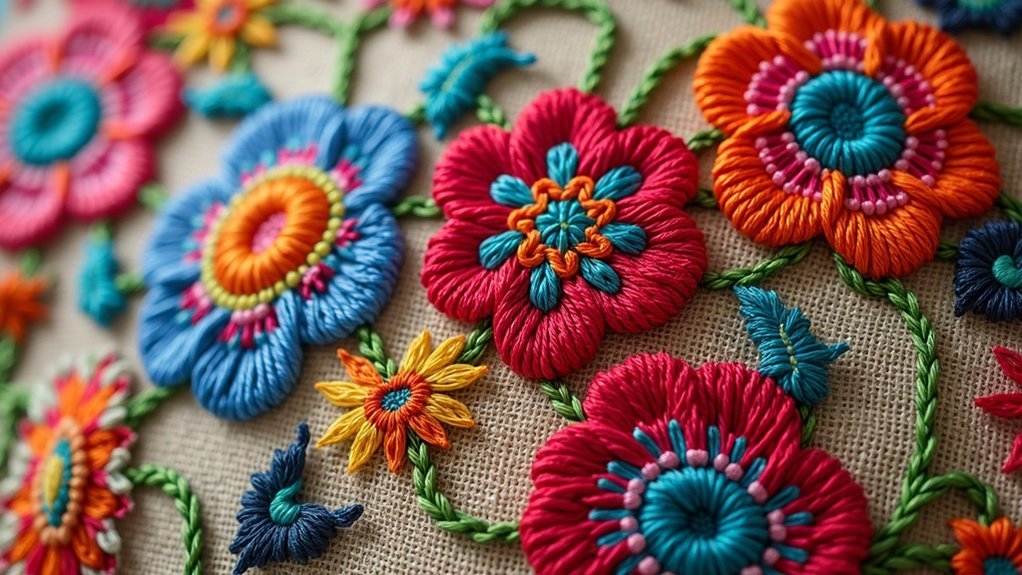
To identify Mexican Tenango embroidery characteristics, look for intricate, hand-stitched designs featuring vibrant colors and unique motifs. Each piece showcases symbols of local flora and fauna, reflecting deep cultural significance. You’ll notice a sturdy white cotton base, adorned with colorful threads that convey emotion and tell stories. The craftsmanship is meticulous, often taking weeks or even years to complete, offering a rich narrative. Discovering more about its techniques and artisanal roots reveals even greater depth in this beautiful art form.
Key Takeaways
- Look for vibrant colors and intricate designs that reflect local fauna, flora, and cultural symbolism in the embroidery patterns.
- Identify the use of sturdy white cotton cloth as the primary canvas for Tenango embroidery.
- Notice the cross past stitch technique, ensuring no visible outlines in the finished design.
- Check for unique motifs and color choices that express individual artisan styles and cultural significance.
- Recognize the hand-stitched nature of each piece, which may take weeks to a year to complete, showcasing dedication and craftsmanship.
Historical Background of Tenango Embroidery
While you might think of embroidery as merely a decorative art, Tenango embroidery tells a profound story rooted in the traditions of the Otomí people of Hidalgo.
Emerging in the 1960s, local women began applying cave painting designs to fabric, marking a shift in their cultural heritage. Originally simple squares for wrapping food, these pieces evolved into intricate textiles that celebrate biodiversity and community identity.
Josefina José Tavera played a pivotal role in promoting this embroidery technique, helping it gain recognition.
Today, Tenango stands as a vibrant representation of the Otomí’s rich history, bridging generations through artistry and storytelling.
Key Materials Used in Tenango Embroidery
When you explore Tenango embroidery, you’ll notice that sturdy white cotton cloth serves as the essential canvas, allowing vibrant designs to truly pop.
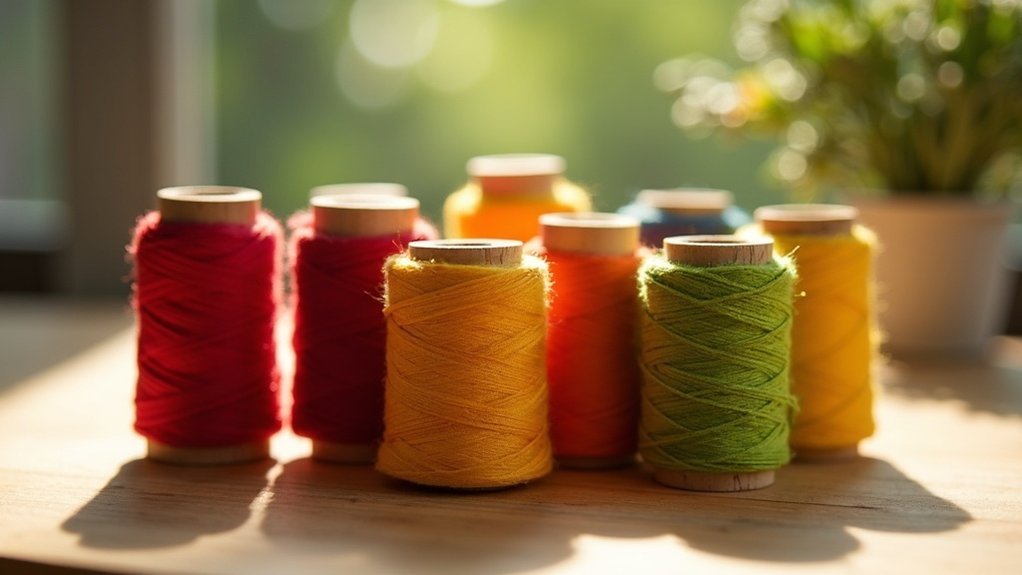
The choice of thread, typically high-quality cotton, adds depth and texture, while some artisans opt for synthetic fibers for increased durability.
Each stitch reflects not just skill, but also the emotional and cultural significance behind the chosen colors, enhancing the overall impact of this craft.
Fabric Types Utilized
Tenango embroidery relies on specific fabric types that enhance its intricate designs and vibrant colors. Understanding these materials is vital for appreciating the craftsmanship involved.
- Sturdy white cotton fabric provides a durable backdrop for the vibrant designs.
- Ivory muslin, known for its smooth texture, enhances the visibility of intricate embroidery.
- Cotton threads allow for a wide range of vivid colors, ensuring longevity.
- Some contemporary artisans integrate synthetic threads for added durability while maintaining rich color density.
These fabric types utilized are fundamental in supporting the artistry and cultural significance of Tenango embroidery, making each piece unique and enduring.
Thread Quality Considerations
To create the stunning patterns that define Tenango embroidery, artisans carefully choose high-quality cotton threads, which are essential for achieving both durability and vibrant color retention.
These threads, often sourced locally, not only guarantee authenticity but also support regional economies. The embroidery technique employs cross-stitching, demanding threads that withstand tension without fraying.
While some contemporary pieces may use synthetic threads for added durability, traditional works prioritize natural fibers.
The color palette in Tenango embroidery features bold, contrasting hues, each selected for its cultural significance and emotional resonance, highlighting the deep connection between craftsmanship and cultural storytelling.
Common Motifs and Their Significance
As you explore the world of Tenango embroidery, you’ll notice that its common motifs—ranging from animals like deer and rabbits to vibrant floral designs—reveal much about the Otomí community’s connection to nature and cultural heritage.
These motifs, crafted by local women, embody deep cultural significance and storytelling.
- Animal symbols: Reflect local fauna and harmony with nature.
- Floral designs: Showcase native plants, emphasizing biodiversity.
- Color meanings: Specific hues convey messages, such as green for vegetation.
- Intricate patterns: Connect the community’s identity and traditions across generations.
Each piece is a rich tapestry of meaning and artistry.
Techniques Employed in Tenango Embroidery
The artistry of Tenango embroidery goes beyond its striking motifs; it’s deeply rooted in specific techniques that showcase the skill and creativity of the artisans.
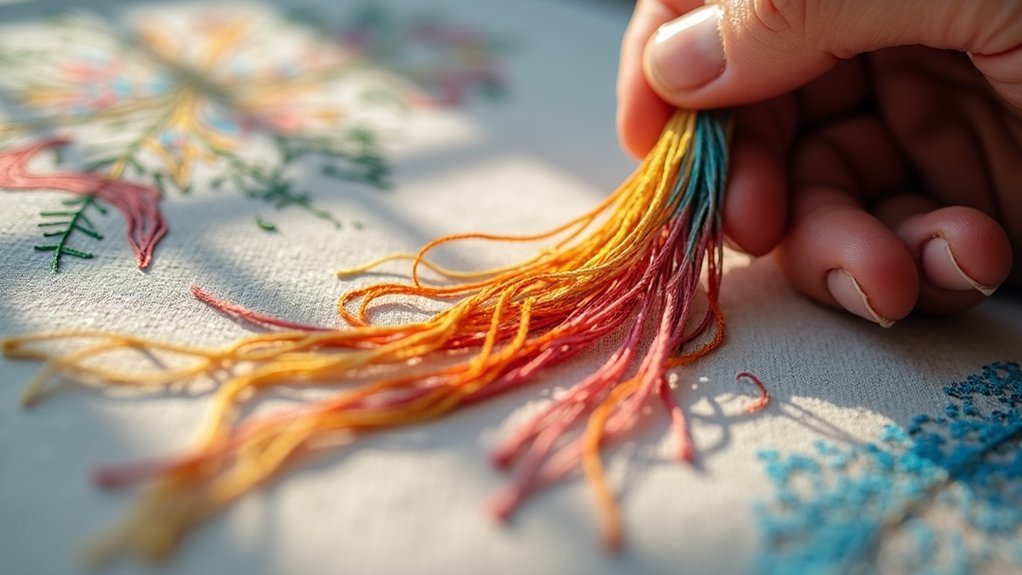
Each piece begins with a hand-drawn design, followed by meticulous embroidery using vibrant cotton threads. The cross past stitch technique is essential, ensuring no visible outlines mar the fabric’s back.
This careful execution, combined with contrasting colors, highlights the originality and heritage of the textile art. Depending on the design’s complexity, the process can span from weeks to a year, reflecting the deep commitment artisans have to their craft and the stories they tell through their work.
Color Palette and Its Cultural Meaning
When you examine the color palette of Tenango embroidery, you’ll notice its vibrant hues are more than just visually striking; each shade carries profound cultural significance.
For instance, green symbolizes fertility while red conveys good fortune, reflecting the beliefs of the Otomí community. This careful selection of colors not only showcases the artisan’s mood but also narrates the rich biodiversity and seasonal changes of their environment.
Vibrant Color Significance
While exploring the vibrant color palette of Tenango embroidery, you’ll discover that each hue carries deep cultural significance rooted in the Otomí people’s beliefs and values.
These colors not only enhance the art’s beauty but also communicate profound meanings, allowing for personal expression within tradition.
Consider these aspects:
- Red: Symbolizes good fortune.
- Green: Represents vegetation and life.
- Blue: Denotes tranquility and peace.
- Yellow: Signifies abundance and happiness.
This diverse color palette reflects local biodiversity and ties the embroidery to the rich cultural narratives of the Otomí community, making each piece a meaningful representation of heritage.
Mood Reflection in Colors
Color in Tenango embroidery serves as a powerful reflection of mood, allowing artisans to convey their emotional states through carefully chosen hues.
Vibrant colors like green symbolize life, while red often represents celebration within the Otomí culture. Each color holds cultural significance, creating a tapestry of meanings that resonate with personal experiences and surroundings.
Artisans skillfully use contrasting colors to add depth, showcasing the vibrancy of nature and embodying the Otomí identity. This thoughtfully curated color palette transforms each piece into a narrative, offering insight into the stitcher’s emotions and cultural heritage, enriching the viewer’s understanding of their art.
Symbolic Color Associations
The vibrant hues of Tenango embroidery weave a complex narrative rooted in cultural symbolism and meaning. Each color holds significance, enhancing the rich cultural tapestry of the Otomí community.
You’ll find that:
- Green symbolizes vegetation and life.
- Red represents good fortune and celebration.
- Bright colors contrast against white backgrounds, emphasizing intricate designs.
- Specific color combinations can indicate cultural events or seasonal changes.
These symbolic color associations not only beautify the fabric but also convey deep emotional states and stories, allowing you to appreciate the artistry and heritage woven into every stitch of Tenango embroidery.
Differences Between Traditional and Modern Tenango
As traditional Tenango embroidery captures the essence of Mexican culture through vibrant colors and intricate designs, modern adaptations often prioritize efficiency over artistry. You’ll notice significant differences in execution, materials, and cultural narratives.
| Feature | Traditional Tenango | Modern Adaptations |
|---|---|---|
| Stitching Technique | Cross stitch with careful execution | Simplified stitching for efficiency |
| Fabric | Sturdy white cotton | Synthetic threads |
| Color Use | Unique color combinations | Often less originality |
| Cultural Significance | Deeply rooted in authenticity | Risk of cultural appropriation |
These contrasts highlight the ongoing conversation about craftsmanship and cultural integrity.
Role of Artisans in the Crafting Process
While the intricate beauty of Tenango embroidery captivates many, it’s the artisans, or “dibujantes,” who breathe life into each piece through their skilled craftsmanship.
These dedicated individuals play an essential role in preserving their cultural heritage, ensuring originality in every design. Key aspects of their craft include:
- Traditionally sketching intricate designs before stitching begins
- Evolving gender roles, with both men and women contributing equally
- Taking weeks to a year to complete each piece, reflecting their dedication
- Expressing individuality through vibrant colors and unique motifs
Through their artistry, these artisans connect the past and present, enriching our understanding of their cultural narrative.
Preservation of Tenango Embroidery in Contemporary Society
Given the rich cultural significance of Tenango embroidery, its preservation in contemporary society hinges on a multifaceted approach that engages both artisans and consumers.
Supporting Otomi artisans by purchasing authentic pieces sustains their livelihoods and combats cultural appropriation. Community cooperatives, like Dotnit, strengthen connections between creators and buyers, ensuring traditional techniques endure.
Awareness campaigns highlight the importance of authenticity, discouraging mass-produced imitations. Additionally, adapting Tenango designs into modern products fosters wider recognition while respecting cultural roots.